Many businesses assume that if their office looks clean, it’s also been disinfected. In reality, a spotless-looking workplace can still harbor bacteria and viruses on the surfaces employees touch every day. While cleaning, sanitizing, and disinfecting are often used interchangeably, they serve very different purposes, and understanding those differences can help create a healthier, safer workplace.
The Difference
Medline Plus explains the difference between cleaning, sanitizing, and disinfecting well by breaking it into three different stages. Cleaning is often the most visible part of a commercial cleaning program because it removes the dirt and debris people can easily see. This includes removing dirt, dust, and crumbs from all surfaces. It may also include using some form of soap, along with water, to get the job done. Now, while this does remove some germs, it certainly does not come close to killing all the germs, which is where the next two stages come into play.
Sanitizing is the next stage. Sanitizing uses chemicals to reduce germs to levels considered safe by public health standards. While it doesn’t eliminate every microorganism, it significantly lowers the number of germs on treated surfaces.
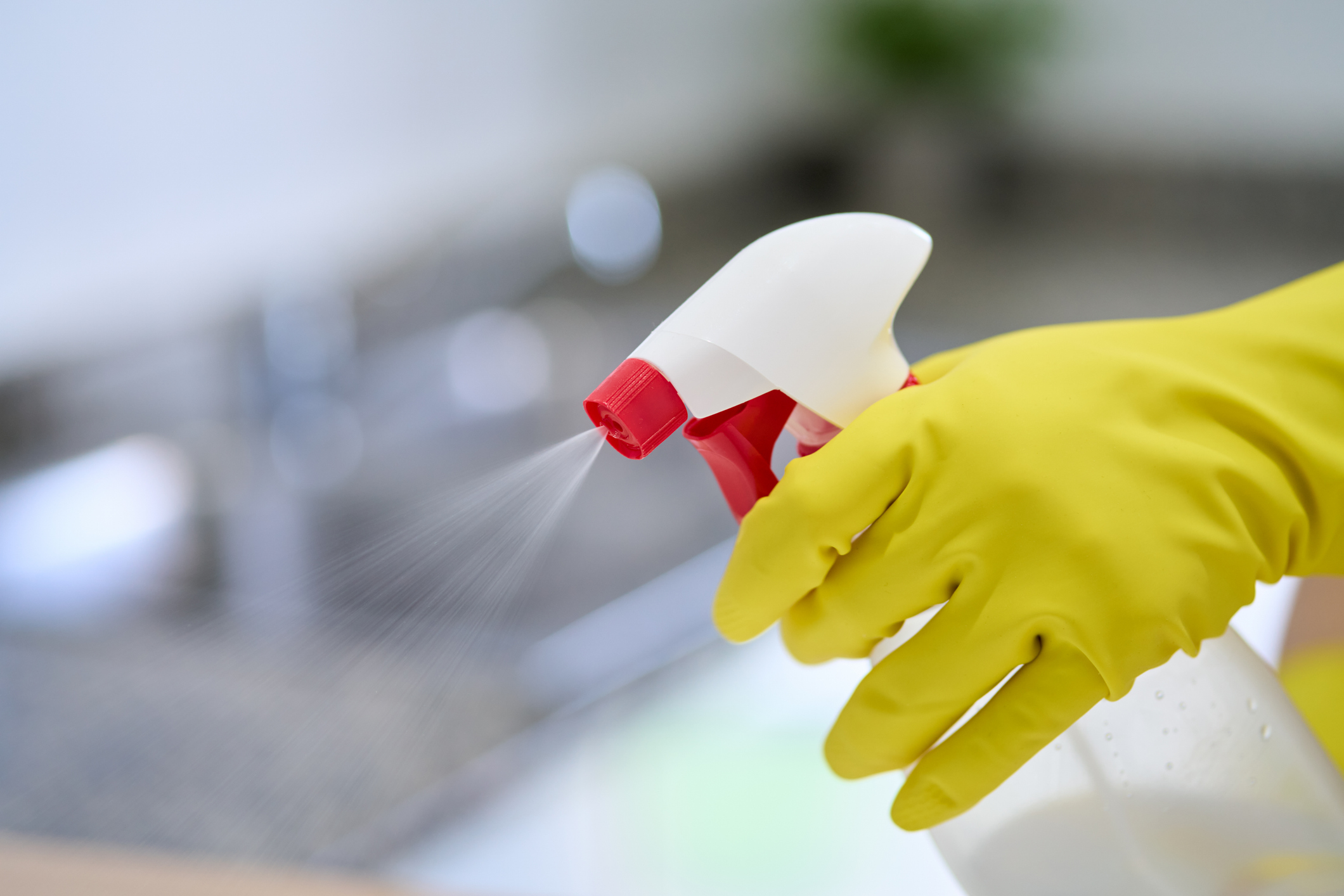
Disinfecting is the final stage, but many businesses don’t realize it requires different products and procedures than routine cleaning. This is the use of chemicals to kill germs on surfaces and objects. You generally need to leave these disinfectants on the surfaces and objects for a certain amount of time to be confident that it has actually killed all the germs. Common disinfectants include bleach and alcohol solutions, but for a number of workplace environments, safer EPA registered cleaning solutions are recommended. (Medline Plus).
Why It Matters
A clean workplace does more than create a positive first impression. It helps support the health and productivity of everyone that walks through the door. However, a facility that looks clean is not always one that has been properly disinfected. Understanding the difference is important because each process serves a different purpose, and businesses should know which one their cleaning program is designed to provide.
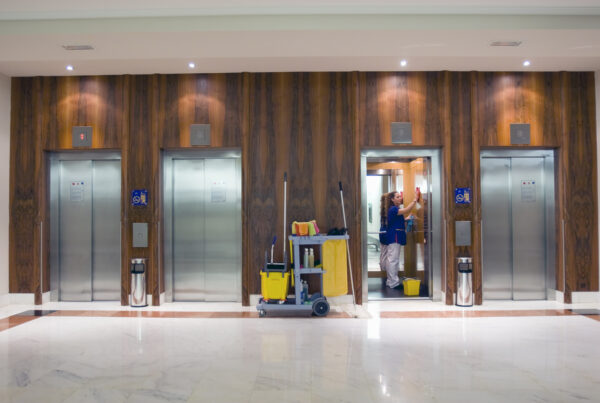
While routine cleaning and sanitizing is enough to remove dirt, dust, and other visible debris while also reducing germs to levels considered safe for many surfaces, some areas require additional attention. High-touch surfaces such as door handles, elevator buttons, shared desks, conference tables, break room appliances, light switches, and restroom fixtures are touched dozens, sometimes hundreds, of times each day. Because these surfaces are shared by so many people, they present a greater opportunity for bacteria and viruses to spread throughout the workplace if they are not addressed appropriately.
Now, this doesn’t mean that every surface in a building needs to be disinfected every day. Rather than treating every surface the same, an effective commercial cleaning program should take a risk-based approach by identifying the areas where disinfection provides the greatest benefit. This will ensure a cleaner, healthier workplace through a combination of proper cleaning, sanitizing, and disinfecting practices where each is most appropriate.
In settings like healthcare, schools, and childcare facilities this is especially important, which is why creating a custom plan for your business is essential. So, understanding the difference between cleaning, sanitizing, and disinfecting allows businesses to have more informed conversations with their cleaning provider and better evaluate whether their current cleaning program meets the needs of their facility.
Final Thoughts
The next step is making sure your facility is receiving the level of service it actually needs. Every building is different, but these questions can help you better understand your current cleaning program and identify areas where additional attention may be beneficial.
Which areas of my facility are routinely disinfected?
Not every surface requires the same amount of attention, but a quality cleaner should be able to explain which surfaces are disinfected and why those areas are targeted.
What products do you use for cleaning and disinfecting?
Understanding what products are being used at your facility will help ensure that health and safety goals are being met. Ask whether the products are EPA-registered and appropriate for your facility’s environment.
How do you verify that these tasks are completed consistently?
Consistency is just as important as the cleaning itself. Ensuring that your cleaner has some type of quality control, inspection, or at the very least, routine communication, is essential to workplace safety.
How does your cleaning program adapt to my facility?
A medical office, school, manufacturing facility, and corporate office all have different cleaning needs. Your provider should explain how cleaning frequencies, products, and disinfection procedures are adjusted based on your building’s occupancy, traffic patterns, and operational requirements.
Wrapping It Up
Choosing a commercial cleaning company isn’t just about finding someone to empty trash cans or vacuum the floors. It’s about finding a partner that understands your facility, communicates consistently, and develops a cleaning program that supports the health and productivity of your employees.
At Transcend Facility Services, we believe every facility deserves a customized cleaning plan based on its unique needs, not a one-size-fits-all approach. That’s why we use EPA-registered products, prioritize high-touch areas where appropriate, conduct routine quality inspections, and maintain open communication with every client.
If you’re unsure whether your current cleaning program is meeting your facility’s needs, we’d be happy to answer your questions and discuss how a customized commercial cleaning plan can help create a cleaner, healthier workplace.
References
Medline Plus, An Official Website of the U.S. Government, “Cleaning, Disinfecting, and Sanitizing” September 23, 2020